


Introduction
Roderick J. Watts is a well-known American psychologist, researcher, and professor. He is respected for his work in community psychology, social justice, and youth development. His research focuses on how young people understand society, inequality, and change. He is also linked to important universities and has worked with many social organizations. Some online searches connect him to topics like his death, obituary, or relationship with Isabel Wilkerson, but not all of these claims are accurate.
Quick Bio Table
| Field | Details |
|---|---|
| Full Name | Roderick J. Watts |
| Known As | Dr. Roderick Watts |
| Profession | Psychologist, Professor |
| Field of Study | Community Psychology |
| Education | Ph.D., University of Maryland |
| Known For | Sociopolitical Development, Youth Empowerment |
| Key Concept | Critical Consciousness |
| University Affiliation | CUNY Graduate Center |
| Previous Workplaces | DePaul University, Yale University |
| Nationality | American |
| Status | Professor Emeritus |
| Publications | 40+ Research Papers |
Early Life and Education
Roderick Jeffrey Watts studied psychology and later earned a Ph.D. in Clinical-Community Psychology from the University of Maryland. His early academic work focused on human diversity, social identity, racism, inequality, and youth development, and these topics shaped his entire career.
Academic Career
Dr. Watts has had a long and respected academic career. He served as a professor at the City University of New York Graduate Center, worked as a faculty member at DePaul University, collaborated with Yale University School of Medicine, and also served as a visiting professor at Stellenbosch University in South Africa. He later became Professor Emeritus, which means he retired but still holds the title due to his contributions.
Research and Contributions
Dr. Watts is famous for his work on sociopolitical development, which studies how people, especially young individuals, understand power, inequality, and society. He explored how youth think about politics, recognize injustice, and take action for change. His work is closely connected to the idea of critical consciousness, which means understanding social problems and working to solve them. He also researched youth activism, showing that young people can create real social change. In addition, he focused on African American identity, men’s development, and cultural psychology.
Extended Insights on the Life and Work of Roderick J. Watts
Influence on Modern Psychology
Roderick J. Watts has played a strong role in shaping modern community psychology. His work goes beyond theory and connects directly to real-life social problems. He helped change how psychologists think about individuals and communities. Instead of only focusing on personal behavior, he encouraged experts to also look at social systems like education, politics, and economic inequality.
His ideas helped many psychologists understand that human behavior cannot be separated from social conditions. For example, he explained that poverty, racism, and lack of opportunity can strongly affect how people think, act, and grow. This approach made his work very important for both researchers and social workers.
Work in Community Psychology
Community psychology is a field that studies how people interact with their communities and how social problems can be solved together. Dr. Watts became one of the leading voices in this field. He believed that communities should not just be studied but also empowered.
He supported programs that:
- Help young people find their voice
- Encourage leadership in local communities
- Promote equality and fairness
- Support mental health in underserved groups
His work showed that change is possible when people work together. He also promoted collaboration between researchers and communities, which means both sides learn from each other.
Role in Youth Empowerment
One of the most important parts of his career is his focus on youth empowerment. Dr. Watts believed that young people are not just learners but also leaders. He studied how they develop political awareness and how they can take part in social change.
He introduced ideas about how youth can:
- Understand social injustice
- Build confidence
- Participate in activism
- Create positive change in their communities
His research helped schools and organizations design programs that teach young people about leadership and responsibility. Many youth programs today are influenced by his work.
Sociopolitical Development Explained
Sociopolitical development is one of Dr. Watts’s key contributions. This concept explains how people learn about power, politics, and inequality. It also looks at how they respond to these issues.
According to his work, this development includes:
- Learning about social systems
- Understanding fairness and injustice
- Building critical thinking skills
- Taking action to improve society
This idea is especially important in education. Teachers and leaders use it to help students think deeply about the world around them.
Critical Consciousness in Practice
Critical consciousness is another major concept connected to Dr. Watts. It is about becoming aware of social problems and taking action to solve them.
He showed that critical consciousness develops in three stages:
- Awareness of inequality
- Reflection on causes
- Action for change
This concept is widely used in:
- Education systems
- Social movements
- Community programs
It helps people move from simply understanding problems to actually solving them.
Collaboration with Other Scholars
Throughout his career, Dr. Watts worked with many other researchers and professionals. These collaborations helped expand his ideas and apply them in different fields.
He worked with experts in:
- Education
- Sociology
- Public health
- Cultural studies
These partnerships made his research more practical and useful in real-world situations. His collaborative style also made him a respected figure in academic circles.
Teaching and Mentorship
As a professor, Dr. Watts was known not only for his research but also for his teaching. He guided many students who later became successful researchers and community leaders.
His teaching style focused on:
- Encouraging critical thinking
- Connecting theory with real-life issues
- Supporting student growth
- Promoting open discussion
Many of his students have shared that his mentorship helped shape their careers. He believed in empowering students to think independently and act responsibly.
Global Impact
Although he is based in the United States, Dr. Watts’s work has had global influence. His ideas have been used in different countries to address social issues.
His visiting role at Stellenbosch University in South Africa shows his international reach. There, his work helped support discussions about inequality, history, and social change.
His research is also used in:
- International development programs
- Human rights education
- Cross-cultural studies
This global impact shows that his ideas are relevant across different societies.
Challenges and Criticism
Like many scholars, Dr. Watts’s work has also faced some criticism. Some critics argue that concepts like critical consciousness can be difficult to measure. Others say that applying these ideas in real life can be complex.
However, these challenges do not reduce the importance of his work. Instead, they show that his ideas are deep and require thoughtful application. Many researchers continue to build on his work and improve these concepts.
Legacy and Continuing Influence
The legacy of Roderick J. Watts continues to grow. Even after becoming Professor Emeritus, his work is still widely used in research and practice.
His influence can be seen in:
- Modern psychology textbooks
- Youth development programs
- Social justice movements
- Educational reforms
New researchers continue to study and expand his ideas. His work remains important in understanding how individuals and communities can create positive change.
Importance in Today’s World
In today’s world, issues like inequality, racism, and social justice are still very important. Dr. Watts’s work helps people understand these challenges and find solutions.
His ideas encourage people to:
- Think critically about society
- Stand against injustice
- Work together for change
- Support community growth
This makes his work highly relevant even today.
Personal Approach and Philosophy
Dr. Watts believed strongly in fairness, equality, and human dignity. His work reflects these values. He focused on helping people understand their power and use it for good.
His philosophy includes:
- Respect for all individuals
- Importance of education
- Value of community action
- Need for social responsibility
These beliefs guided both his research and his teaching.
Why People Search His Name
Many people search for Roderick J. Watts for different reasons. Some want to learn about his academic work, while others are curious about personal details like his life, photos, or death.
Common search reasons include:
- His role as a professor
- His research contributions
- Confusion about obituary or death
- Possible personal relationships
This shows that he is a figure of interest both academically and publicly.
Final Thoughts
Roderick Jeffrey Watts is more than just a professor; he is a thinker who changed how people understand society and human development. His work connects psychology with real-world problems, making it practical and meaningful.
His ideas continue to inspire students, researchers, and community leaders. By focusing on empowerment, awareness, and action, he has helped create a path for positive social change. His contributions will likely remain important for many years to come, as new generations continue to learn from his work and apply it in different ways.
Publications and Work
Dr. Watts has written many research papers and contributed to important discussions in psychology. His work covers liberation psychology, community psychology, youth civic engagement, and social justice. He has produced more than 40 publications and his research has been cited by many other scholars, showing his strong influence in the academic world.
Relationship with Isabel Wilkerson
Some searches link Roderick Jeffrey Watts with Isabel Wilkerson, a well-known author. However, there is no strong verified public evidence that they were married or closely connected. Much of this information appears to come from online speculation, so it should be treated carefully.
DePaul University Connection
Dr. Watts worked at DePaul University, where he made important contributions to psychology and community-based research. This is why many people search for his name along with the university or his role as a professor.
Death and Obituary – Clarifying Confusion
There is confusion online about “Roderick Jeffrey Watts death” and “obituary.” A person with the same name reportedly died in 2016 in Atlanta, but this may be a different individual. The psychologist Roderick J. Watts is widely recognized as Professor Emeritus, and there is no clearly verified academic record confirming his death. This means much of the information about his death may be mixed with another person who shares the same name.
Photos and Public Presence
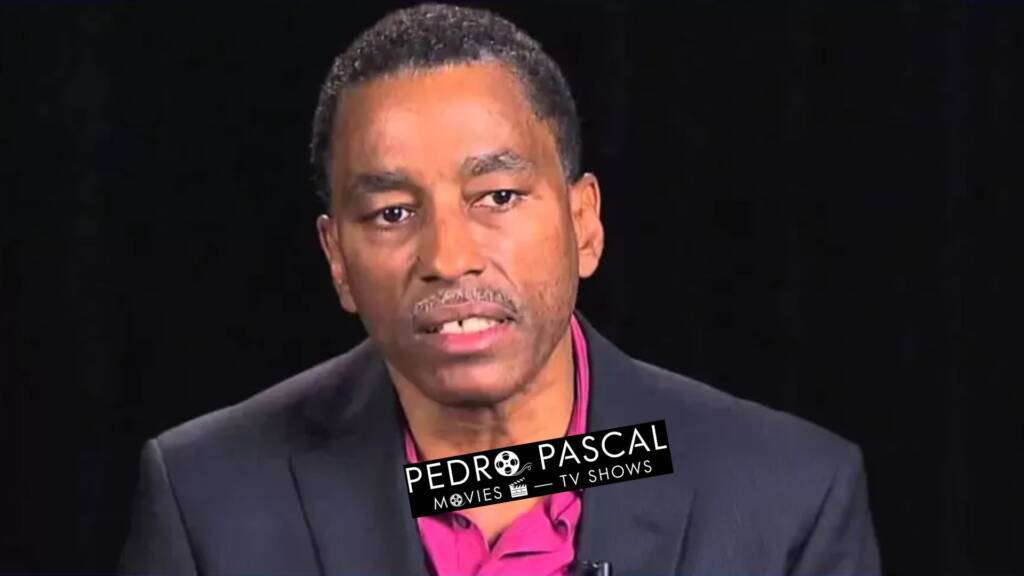
Searches for pictures or photos of Roderick Jeffrey Watts usually refer to professional images available on university and research websites. These photos are commonly used in faculty profiles and academic publications.
Wikipedia and Online Information
There is limited or unclear Wikipedia coverage for Roderick Jeffrey Watts, which is why many people search for it. Most reliable information about him comes from university websites, research platforms, and academic publications rather than general online sources.

Frequently Asked Questions
1. Who is Roderick J. Watts?
He is an American psychologist and professor known for his work in community psychology, youth empowerment, and social justice.
2. What is Roderick Jeffrey Watts known for?
He is known for developing ideas about sociopolitical development and critical consciousness, especially among young people.
3. Did Roderick Jeffrey Watts work at DePaul University?
Yes, he worked as a faculty member at DePaul University and contributed to research and teaching.
4. Is there confirmed information about Roderick Jeffrey Watts’ death?
No, there is no clear verified academic record confirming his death; some reports may refer to another person with the same name.
5. Is Roderick Jeffrey Watts related to Isabel Wilkerson?
There is no strong verified public evidence confirming a personal relationship between them.
Conclusion
Roderick Jeffrey Watts is an important figure in modern psychology, especially in the areas of social justice and youth development. His work helps people understand how individuals, particularly young people, can recognize unfair systems and take action to improve society. Through his research on sociopolitical development and critical consciousness, he has influenced both academic studies and real-world community programs. Throughout his career, Watts worked with leading institutions such as the City University of New York, DePaul University, and Yale University, and his contributions go beyond teaching because he has supported community organizations and social change movements. There is some confusion online regarding his death and personal life, including possible connections to Isabel Wilkerson, but much of this information is unverified or mixed with details about other individuals with similar names. Reliable academic sources mainly highlight his professional achievements. Overall, Roderick Jeffrey Watts remains a respected scholar whose ideas continue to shape discussions about justice, identity, and youth empowerment in today’s world.
